Some links on this site may be affiliate links. Use the workflow above first, then compare the one supply category that fixes the package you actually tested.
Soft goods
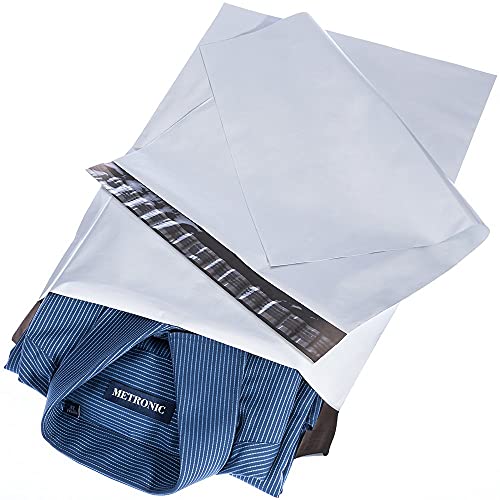
Poly Mailers
Use it when: folded clothing, fabric goods, or other soft items can bend without damage and do not need crush protection.
Check before buying: usable inner space after folding, closure room, opacity, thickness, waterproofing, and where the bundle will live.
Skip if: the item has corners, structure, sharp edges, fragile parts, or any reason it should not be bent.
Watch out: mailer dimensions can be outside measurements. Leave room for product thickness and the adhesive strip.
Next move: test one packed item before stocking multiple sizes.
Light padding
Bubble Mailers
Use it when: small goods need light cushioning, but the item is not fragile enough to need a box.
Check before buying: usable inside dimensions, padding thickness, closure room, bend risk, and whether the product corners show through.
Skip if: the item can crush, bend, leak, or needs real corner or side protection.
Watch out: padding eats into the usable space, so the listed size can feel generous until you pack the real item.
Next move: compare bubble mailers after the protected item still slides in without forcing the seal.
Bend resistance
Rigid Mailers
Use it when: prints, photos, stickers, booklets, or thin media need bend resistance more than soft cushioning.
Check before buying: usable inner dimensions, board rigidity, closure, corner protection, and whether you need a backing insert.
Skip if: the item is bulky, crushable, dimensional, or needs cushioning on several sides.
Watch out: rigid mailers protect against bending; they are not a substitute for a box when the item can crush.
Next move: compare rigid mailers when bend risk is the main problem you are solving.
Structured protection
Corrugated Boxes
Use it when: the product is rigid, fragile, already boxed, heavy, or needs protection on multiple sides.
Check before buying: inner dimensions, board strength, storage footprint, closure, fill needs, and dimensional-weight risk.
Skip if: a soft item ships safely in a mailer and the box would add empty space, fill, and storage pressure.
Watch out: oversized boxes need more fill and can trigger dimensional-weight problems on large, light packages.
Next move: compare boxes after measuring the protected product, not the bare product.
Movement control
Void Fill
Use it when: the item moves inside a close-fitting box or needs cushioning around a fragile surface.
Check before buying: fragility, storage space, mess, added weight, recyclability, and whether the fill blocks movement or cushions impact.
Skip if: the package is already snug and the fill is only decorative or makes the box harder to close.
Watch out: some fill cushions; some only blocks movement. Match the material to the product risk.
Next move: compare fill only after the box size is close enough to make the fill useful.
Box closure
Packing Tape
Use it when: box flaps need reliable sealing without pressing the same seam three times.
Check before buying: width, adhesive type, thickness, noise preference, dispenser fit, box dust, and storage temperature.
Skip if: you rarely ship boxes and your current tape closes cleanly without lifting.
Watch out: cold garages, dusty boxes, and poor dispenser fit can make cheap tape feel expensive fast.
Next move: compare tape once box shipping is common enough that bad tape slows the day down.