Inventory Bins and SKU Labels for Small Sellers
Affiliate disclosure: This page may include affiliate links. If you buy through those links, Your Seller System may earn from qualifying purchases. The advice should still help you choose or avoid a purchase without the links.
Short Answer
Use labeled bins, simple shelf locations, and short SKU conventions before inventory volume gets stressful. Buy bins that fit the shelf and labels you can read without opening everything.
The item was listed yesterday, but now it has vanished into a bin of almost-identical products. The problem is not inventory software yet. The problem is that the shelf location is invisible.
Build A Location System Before Buying More Bins
A bin only helps if you can tell what belongs in it and where it lives.
| If This Is Happening | Do This | Then Decide |
|---|---|---|
| Small loose SKUs | Small plastic bins with front labels | Use narrow bins when shelf rows matter. |
| Soft goods or grouped inventory | Larger bins or shelf zones | Do not overfill until items hide underneath. |
| Overflow or seasonal items | Cardboard or larger storage bins | Keep moisture and durability limits in mind. |
| Fast-moving inventory | Arm-height bins | Do not store popular items where they require digging. |
| Similar-looking products | Readable SKU or numbered labels | Make the pick location obvious before the order is due. |
Simple Bin System
- Give each shelf or area a letter.
- Give each bin a number.
- Put the location on the listing, spreadsheet, or order notes.
- Label the front of the bin, not the lid.
- Keep a small overflow rule so bins do not become mystery piles.
Common Mistakes
| Mistake | Why It Hurts | Better Move |
|---|---|---|
| Buying bins before measuring shelves | The bins waste space or do not pull out cleanly. | Measure shelf depth, width, and height first. |
| Labeling lids only | Labels disappear when bins are stacked or pulled forward. | Label the visible front. |
| Using long SKU codes nobody can read quickly | Picking stays slow. | Use short location codes and consistent product labels. |
What To Buy After The Check
Affiliate note: this section uses existing bin and label card shortcodes plus the managed Amazon category link. Compare options after measuring your shelves.
Plastic and cardboard bin options
Use plastic bins for repeat access and cleaner shelf rows. Use cardboard bins when cost or overflow matters more than durability. Skip any bin that hides labels or wastes shelf depth.

plastic 11x11x5 inventory bins
Akro-Mils 30235 AkroBins Plastic Storage Bins, 11"x11"x5", Black, 6-Pack
Best for: Sellers who need plastic 11x11x5 inventory bins after the page explains fit, sizing, and buying checks.
Check inventory bins on Amazon
plastic 12×6.5×4 inventory bins
Akro-Mils 30130 Heavy Duty Plastic Shelf Bins, 12"x 6.5"x 4", Red, 12-Pk
Best for: Sellers who need plastic 12×6.5×4 inventory bins after the page explains fit, sizing, and buying checks.
Check inventory bins on Amazon
cardboard 18x12x10 inventory bins
BOX USA Storage Bins Large 18"L x 12"W x 10"H 25-Pack – Corrugated Cardboard Box for Packing, Moving, and Storage
Best for: Sellers who need cardboard 18x12x10 inventory bins after the page explains fit, sizing, and buying checks.
Check inventory bins on AmazonSKU and location labels
Use labels when similar products slow picking. Skip complicated label systems until the basic shelf-bin code works. Check label size, visibility, adhesive, and whether you can print or write them consistently.

2×1 SKU label stickers
Rollo Direct Thermal 2×1 Barcode Labels – Roll of 1,000 Thermal Labels
Best for: Sellers who need 2×1 SKU label stickers after the page explains fit, sizing, and buying checks.
Check inventory bins on Amazon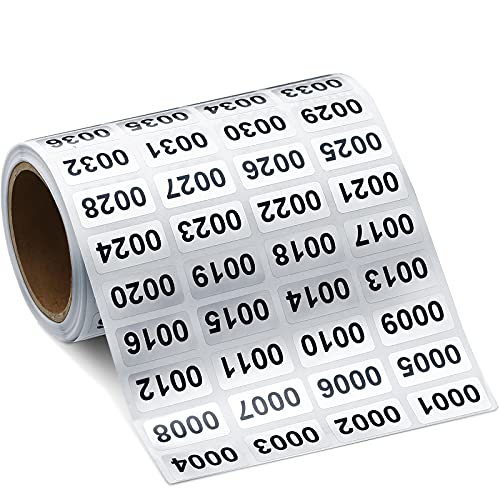
numbered inventory labels
Zonon Inventory Labels Consecutive Number Stickers 001-2000, Silver
Best for: Sellers who need numbered inventory labels after the page explains fit, sizing, and buying checks.
Check inventory bins on AmazonFinal Checklist
- Measure shelves before buying bins.
- Label the front of every bin.
- Use short location codes.
- Keep fast-moving items at easy reach.
- Add bins only when a location problem is real.
Related Guides
- Workspace Setup: Use this for the larger storage workflow.
- Seller Checklists: Use this to build repeatable routines.
- Shipping Station: Use this if inventory is crowding the packing surface.